|
Photography is always both: technique and creativity. Depending
on the type of photography, these two aspects are emphasised to
varying degrees, but photography always combines them in a
fascinating way. One cannot exist without the other! The photos
turn out well when you’re able to combine the two perfectly.
|
Technical principles
- Time: Exposure time and movement, manual adjustment.
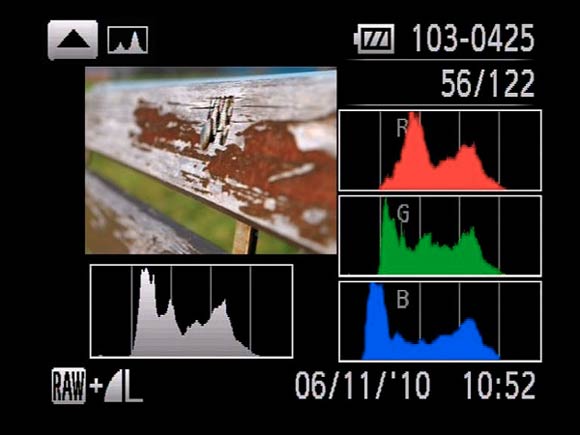
The histogram as a tool. How are exposure time and focal
length related?
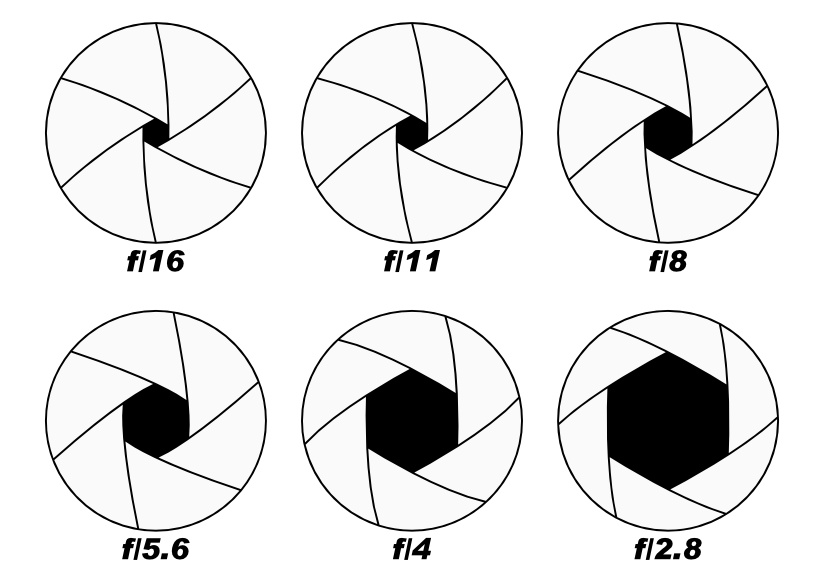
- Aperture: How open or closed should it be? Light
intake, depth of field and focal length – a close
relationship.
- Lens: Optical performance; light intensity and
maximum aperture; focal length: fix or zoom?
- ISO: The "third dimension" of exposure. When and
how should I use it? How high can I go? Sharpness versus
noise.
- Equipment: Tripod, flash and filter.
|
|
|
Elements of visual composition
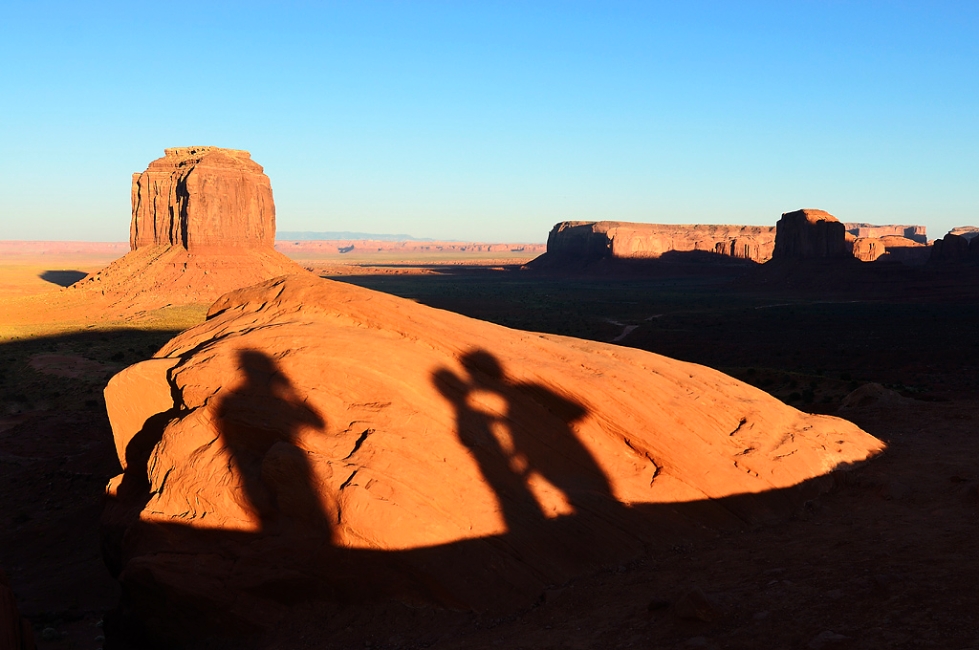
- Light: The effects of direction, temperature and
intensity. Sunrise and sunset, light and shadow; the dynamic
range.
- Special lighting conditions: Rain, fog and smoke;
available light (AVL).
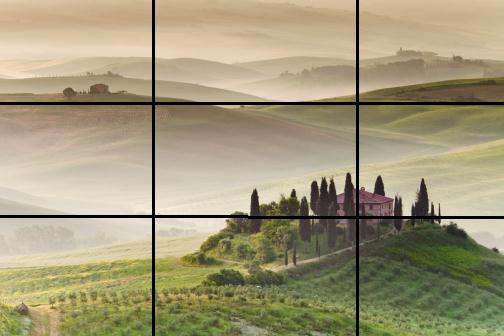
- Visual design: Image composition, lines, dots.
Leading lines and visual flow. The "rule of thirds" and other
guidelines. Distracting elements. Fleeting moment vs.
eternity: The decisive moment.
- Colour: Colour as a design element, colour
contrasts.
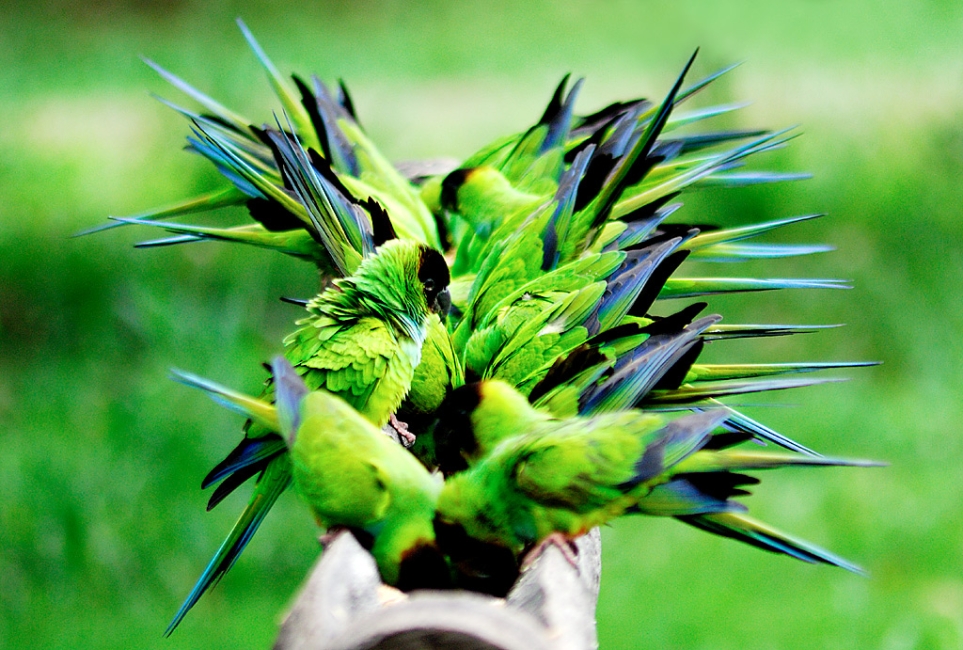
- Space: How do I convey three dimensions on a
two-dimensional medium? Ways of creating depth: depth of
field, foreground, middle ground and background; viewpoint and
perspective; the picture plane and converging lines. The
effect of focal lengths.
- Eye Level: People, portraits, children and
animals.
- Capturing motion: Of minutes and thousandths of a
second. Of direction of movement and open space; motion blur,
panning and the critical exposure time.
|
|
The subject: Finding the
true essence
- Finding the subject: What constitutes a potential,
worthwhile subject for me? On clarity, attentiveness and
conscious observation.
- Your Personality: Conscious and subconscious mind,
perception. On goals and beliefs.
- Human Beings: On relationships, respect, trust and
habituation; the active element. Closeness and distance,
self-perception. Rules for portraits.
- Photography vs. Snapping: Time and intention;
approaching the subject: the pancake parable.
- Flow: What is at its heart? Concentration, focus
and creative techniques. Highlighting the subject. Clarity,
unambiguity, eliminating distracting elements (the "pilot’s
trick"). The right technique at the crucial moment.
- Suggestion: Leave room for the viewer’s
imagination.
|
|
Practical information
- Preparation: What, when, where and how? The "TPE"
app. Possible themes and a collection of ideas. What are
others doing?
- Practice makes perfect: Practising techniques
without specifically looking for subjects. Mastering the
camera and the techniques. Practice formats.
- Digital image processing: The darkroom of
yesteryear.
- Learning from Others: Image reviews, forums and
feedback.
|
|
Photography excursion
A field trip for practice, with practical guidance.
|
|
Practical Information
Course location: Zagreb, Croatia, city centre
Format: small group
Duration: 4 sessions of 4 hours each
Schedule: Saturdays, 3pm–7pm
or alternatively: Tuesday to Friday, 3pm–7pm
Course fee: €249.00
Number of participants: min: 4 – max: 6
|
|
|
Workshop Leader
Jochen Weber, a German travel
photographer, photography guide and author of several books, is
originally from Stuttgart and has travelled and worked in Italy,
Ecuador, Brazil, India, Portugal and Croatia.
Instagram:
@jochen_travelphotos
Homepage: www.foto-grafo.de
|
|
If you have any questions: Click
Please use this form to
register:
|